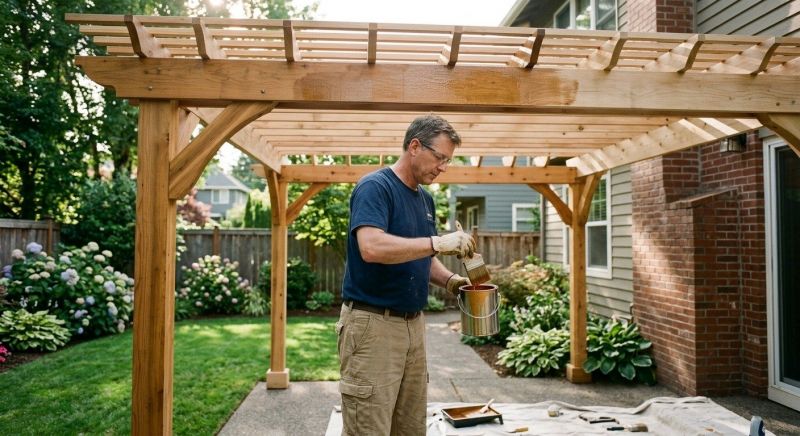
Gazebo Sealing in Seattle, WA
Gazebo sealing services involve applying protective coatings to the surface of outdoor gazebos to prevent water infiltration, weather damage, and wear over time. This service is suitable for various gazebo materials, including wood, vinyl, and metal, and is often requested to maintain the structure’s appearance and durability. Property owners typically seek this service when preparing for seasonal changes, addressing existing leaks, or simply ensuring their outdoor space remains protected and visually appealing for years to come.
Before requesting gazebo sealing, property owners usually want to understand the scope of the work, including the types of sealants used, the process involved, and how often resealing may be needed. It’s also helpful to consider the condition of the existing surface, as older or damaged areas might require additional repairs prior to sealing. Proper sealing can extend the lifespan of the gazebo, improve its resistance to the elements, and help preserve the property's overall outdoor aesthetic.
Many property owners in Seattle, WA look into Gazebo Sealing for repairs, replacements, upgrades, and appearance-related improvements.
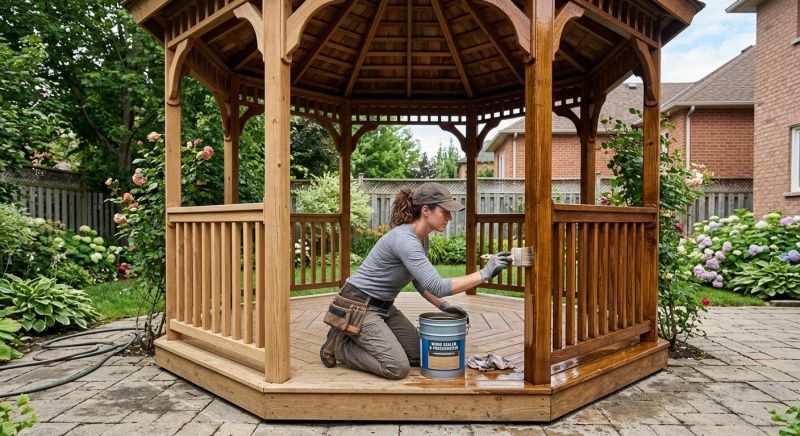
Benefits Of Gazebo Sealing
Proper sealing helps prevent water damage and extends the lifespan of your gazebo.
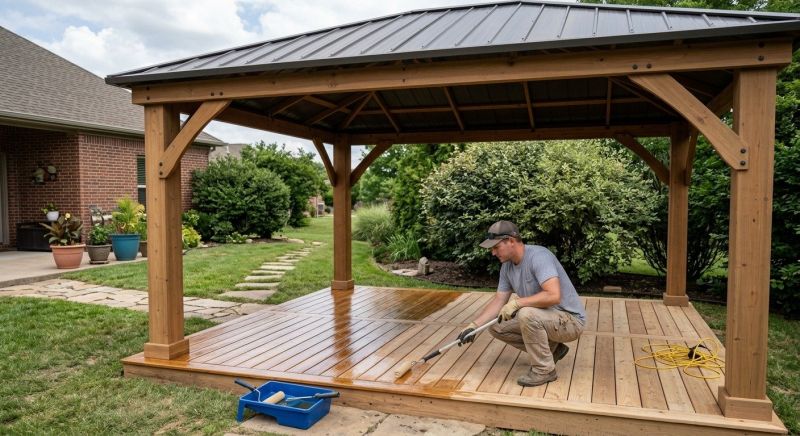
Common Sealing Materials
High-quality sealants are used to ensure durability and resistance to weather conditions in seattle.
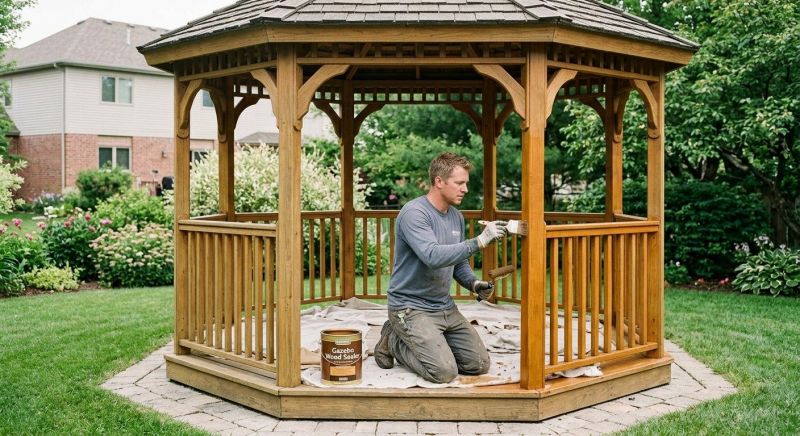
Maintenance Tips
Regular inspections and resealing can keep your gazebo protected and looking its best throughout the year.
Gazebo Sealing in Seattle, WA

Gazebo sealing services involve applying protective coatings to the surface of outdoor gazebos to prevent water infiltration, weather damage, and wear over time. This service is suitable for various gazebo materials, including wood, vinyl, and metal, and is often requested to maintain the structure’s appearance and durability. Property owners typically seek this service when preparing for seasonal changes, addressing existing leaks, or simply ensuring their outdoor space remains protected and visually appealing for years to come.
Before requesting gazebo sealing, property owners usually want to understand the scope of the work, including the types of sealants used, the process involved, and how often resealing may be needed. It’s also helpful to consider the condition of the existing surface, as older or damaged areas might require additional repairs prior to sealing. Proper sealing can extend the lifespan of the gazebo, improve its resistance to the elements, and help preserve the property's overall outdoor aesthetic.
Many property owners in Seattle, WA look into Gazebo Sealing for repairs, replacements, upgrades, and appearance-related improvements.
Common Gazebo Sealing Jobs
Gazebo Sealing - helps prevent water leaks and protects the structure from weather damage.
Crack Repair - seals small openings that can lead to larger issues over time.
Joint Sealing - ensures the seams between gazebo components are watertight.
Surface Coating - provides a protective barrier against moisture and UV damage.
Leak Detection - identifies areas where water may be penetrating the structure.
Maintenance Sealing - extends the lifespan of a gazebo by keeping it sealed and protected.
Gazebo Sealing Questions
What is gazebo sealing? Gazebo sealing involves applying protective materials to prevent water leaks and weather damage, helping to extend the lifespan of the structure.
Why should a gazebo be sealed? Sealing a gazebo helps prevent water infiltration, wood rot, and damage from moisture, maintaining its appearance and stability over time.
What types of sealant are used for gazebos? Common sealants include waterproof coatings, sealant tapes, and weatherproof paints designed specifically for outdoor wood and metal surfaces.
When is the best time to seal a gazebo? The ideal time to seal a gazebo is during dry, mild weather conditions, typically in spring or early summer, to ensure proper application and curing.
Request Gazebo Sealing in Seattle, WA
Use the quote form on this page to share the basics of your project and request more information for the type of work you need.